Roof Lights: Premium Skylight Solutions for Renovations
Revamp Your Attic: How Rooflights Can Add Value and Light
Converting an attic with rooflights provides an opportunity to improve both light and space. The installation of these features not only brightens the environment but also adds significant value to a property. As natural light boosts mood and energy efficiency, it becomes apparent that rooflights can revitalize underutilized areas. Yet, the choice of rooflight and design can be crucial. What factors should one take into account when initiating this project?
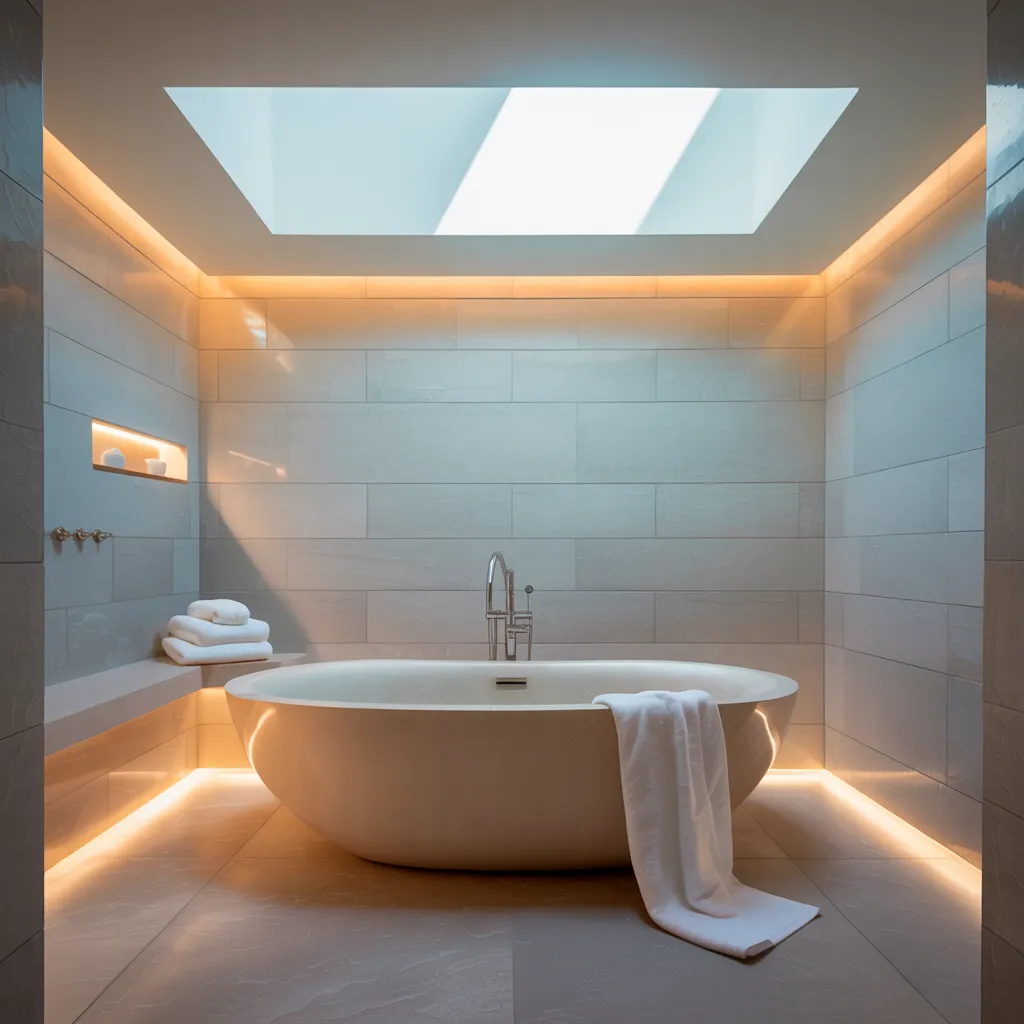
The Reasons to Select Rooflights for Your Attic Transformation
What makes rooflights ideal for an attic conversion? Rooflights serve as a pivotal feature in converting an underutilized attic space into a vibrant, functional area. They significantly boost natural light levels, fostering an open, spacious feel that can profoundly elevate the overall look and ambiance. This influx of daylight not only uplifts the mood but also helps in reducing reliance on artificial lighting, promoting energy efficiency.
In addition, rooflights can boost a property's value. Interested buyers often prefer homes with well-lit spaces, making an attic conversion increasingly attractive. The well-planned placement of rooflights can also offer spectacular views of the sky, adding a unique charm to the attic.
Furthermore, rooflights support ventilation, boosting air circulation and ensuring a pleasant environment. In conclusion, adding rooflights into an attic conversion is a wise choice that merges beauty, sustainable energy use, and greater property appeal.
Various Types of Rooflights: How to Choose the Right One?
Selecting the right type of rooflight can significantly affect the overall success of an attic conversion. Various options are on offer, each offering distinct qualities. Fixed rooflights are favored for their simplicity and efficiency in illuminating spaces, while opening rooflights provide ventilation together with natural light, enhancing air quality. For those looking for a modern appeal, skylights come in a wide range of designs and materials, enabling customization to suit the attic's style.
Dome-style rooflights, frequently found on horizontal roof surfaces, are effective for optimizing natural light intake and can be installed in multiple configurations. Moreover, tubular rooflights are well-suited to confined areas, directing natural light through reflective tubes. When choosing a rooflight, aspects such as size, orientation, and the attic's layout are important. In the end, the right choice not only improves the room's natural light levels but also contributes to its overall practicality and visual appeal.
Natural Light's Impact on Well-Being
Natural light plays a vital role in boosting overall well-being. Exposure to natural light has been linked to improved mood and increased energy levels. Scientific research suggests that natural light can greatly affect mental health, alleviating symptoms of anxiety and depression. By saturating spaces with sunlight, individuals often notice an increase in serotonin production, which contributes to feelings of happiness and calmness.
Furthermore, natural light assists with the control of circadian rhythms, encouraging healthier sleep cycles. This natural synchronization fosters a perception of balance and rejuvenation, which is essential for overall health. In areas such as attics, incorporating rooflights can maximize exposure to sunlight, producing a more appealing and tranquil space. The mental health advantages of natural light extend beyond mere aesthetics, influencing productivity and creativity as well. As a result, upgrading living spaces with rooflights can have a beneficial impact on one's emotional and physical well-being.
How Rooflights Can Raise Your Property Value
Adding rooflights to an attic converts the area into a bright, airy sanctuary that can considerably enhance property value. By permitting natural light to pour in, rooflights elevate the overall charm of a house, making it more attractive to potential buyers. This feature not only establishes a more welcoming environment but also underscores the usable space that an attic can deliver.
Homebuyers often seek properties with unique features that set themselves apart from other listings. Roof windows can function as a key design element, demonstrating thoughtful architectural planning and enhancing the visual appeal. Furthermore, well-lit spaces tend to feel larger, thereby enhancing the perceived square footage of the property.
Moreover, energy consumption can be reduced through the adoption of modern rooflight designs, which could attract sustainability-minded purchasers. When all is considered, the incorporation of rooflights transforms an underused section into an attractive habitable area, contributing positively to a property's appeal and resale value.
Creative Decorating Ideas for Your Attic Space
When exploring unique design approaches for an attic space, creative lighting choices can significantly improve the atmosphere. Moreover, transforming the area into multipurpose zones enables enhanced versatility, accommodating various activities. A cozy reading nook can serve as an ideal escape, merging practicality with aesthetics.
Unique Lighting Solutions
How does thoughtful lighting design turn an attic into a comfortable haven? By implementing creative lighting strategies, property owners can significantly improve the atmosphere and usability of their attic areas. Strategic placement of LED strip lights along beams or shelves can create a soft, inviting glow, as pendant fixtures can function as impressive visual anchors. Roof windows not only introduce natural illumination but also create a sense of greater space and openness. Incorporating dimmable fixtures allows for versatile lighting, allowing occupants to modify the atmosphere based on the hour or event. Additionally, using decorative lamps or wall sconces can add personality, making the attic a cozy refuge. Altogether, a well-considered lighting scheme boosts the attractiveness and practicality of the attic.
Multi-Functional Spaces
Forward-thinking lighting solutions do more than enhance the ambiance of an attic and simultaneously set the stage for inspired design choices. With the right rooflights, attics can be converted into multipurpose environments that cater to a wide range of needs. For example, a bright, airy setting can function as a personal workspace throughout the working day, while soft, adjustable lighting can establish a comfortable entertainment area after dark. Incorporating versatile furniture enables effortless rearrangement, supporting activities ranging from yoga sessions to family game nights. By blending utility with style, a thoughtfully planned attic can maximize utility without compromising style. Consequently, the scope for redesign are limited only by imagination, making attics valuable assets in modern homes.
Cozy Reading Nooks
Designing a inviting reading nook in an attic can reinvent an unused space into a peaceful sanctuary, designed for leaving behind the stress of everyday life. Thoughtfully positioned rooflights can flood the area with natural light, boosting its welcoming atmosphere. Equipping the nook with a relaxing armchair or daybed, gentle cushions, and a soft blanket creates an ideal spot for relaxation. Including bookshelves, whether custom-built or standalone, enables easy access to a thoughtfully chosen range of literary works. Including individual elements, such as paintings or accent lights, beautifully complements the retreat's charm. This intentional design not only improves the space's aesthetic but also raises the residence's market value, making it a smart addition.
Installation Tips for a Successful Rooflight Project
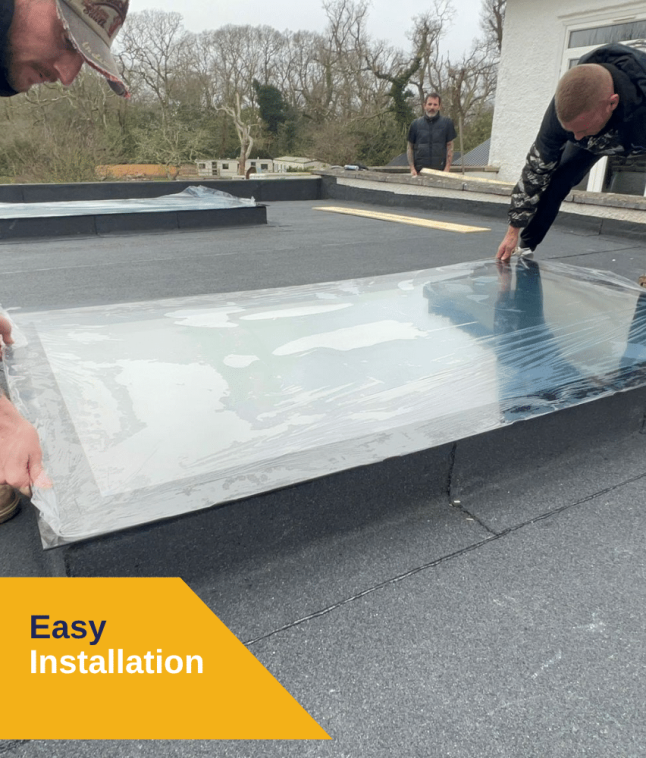
When organizing a rooflight fitting, picking the most suitable position is vital for enhancing natural light intake and enhancing the room's atmosphere. Engaging qualified professionals ensures that the work is carried view now out with precision and care. Furthermore, effective insulation is necessary to maintain energy efficiency and comfort in the transformed attic space.
Pick The Perfect Location
Selecting the ideal location for a rooflight is important to optimising both daylight and aesthetic appeal in an attic conversion. For best results, rooflights should be placed to capture the most natural light throughout the day, typically on the southerly-facing side of the roof. This placement not only improves illumination but also minimises the need for artificial lighting. In addition, taking into account the existing roof structure and possible obstacles, such as chimneys or trees, is essential. Rooflights should be fitted in areas that complement the intended use of the space, whether for a home office. This strategic positioning provides a balance between usability and visual appeal, ultimately improving the overall feel of the attic.
Engage Certified Specialists
Working with experienced professionals is important for a productive rooflight installation. Their skill guarantees that the work follows local building standards and safety protocols. Qualified installers can thoroughly assess the structural condition of the roof, detecting potential obstacles that may emerge during installation. They carry the essential tools and practices to minimize disruption to the surrounding space while creating a seamless finish. In addition, seasoned professionals can provide valuable advice into optimal placements and design alternatives, boosting both aesthetics and functionality. It is prudent to request recommendations and evaluate previous work to ensure the selected crew has a proven track record. Overall, engaging qualified professionals not only secures the installation process but also adds significantly to the rooflight's long-term functionality and value.
Guarantee Sufficient Insulation
Making sure insulation is adequate is vital for optimizing energy performance in a rooflight installation. It reduces heat loss throughout the winter months and decreases heat gain in the summer months. Homeowners should first assess the existing insulation in the attic, confirming it satisfies the recommended R-values for their location. Investing in premium insulation materials can significantly improve results. At the time of installation, it is important to address any gaps or leaks around the rooflight, as they can undermine the performance of the insulation. Furthermore, incorporating reflective insulation materials can assist in controlling temperature fluctuations. Adequate ventilation must not be neglected, as it aids in maintaining a balanced environment. By focusing on insulation, homeowners can benefit from a pleasant living area while enhancing the value their rooflight provides.
Common Questions and Answers
How Do Rooflights Contribute to Energy Efficiency?
Skylights boost energy performance by harnessing daylight, minimizing the need for artificial lighting. They improve air circulation, assisting in controlling indoor temperature, and often result in lower heating and cooling costs, supporting a greener lifestyle while improving general comfort levels.
Do Rooflights Need Special Maintenance?
Rooflights are generally low-maintenance solutions, usually requiring routine cleaning and inspections for leaks. Making sure seals are intact and resolving any problems quickly can improve their durability and overall performance, contributing to energy efficiency and aesthetic appeal.
Are Rooflights Able to Help Lower Heating Costs?
Rooflights can certainly assist in lowering heating costs by allowing natural light to warm spaces during the day. This additional natural light can reduce dependence on artificial heating systems, resulting in possible energy savings in the long run.
Can Rooflights Be Installed on All Roof Types?
Rooflights are not appropriate for every type of roof. Their effectiveness depends on factors such as roof pitch, material, and structural integrity, demanding careful planning and professional consultation for the best possible installation outcomes.
Which Building Regulations Are Relevant to Rooflight Installation?
Construction standards for fitting rooflights commonly cover factors involving structural integrity, fire safety, and energy efficiency. Planning departments may require formal planning consent, ensuring compliance with guidelines that secure the building and those who occupy it.